


Krishnapatnam Thermal Power Project
Product Details:
X
Product Description
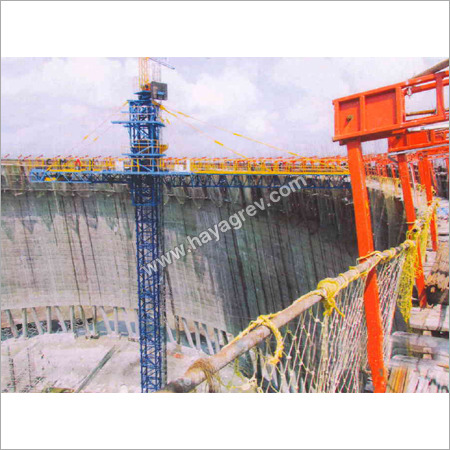
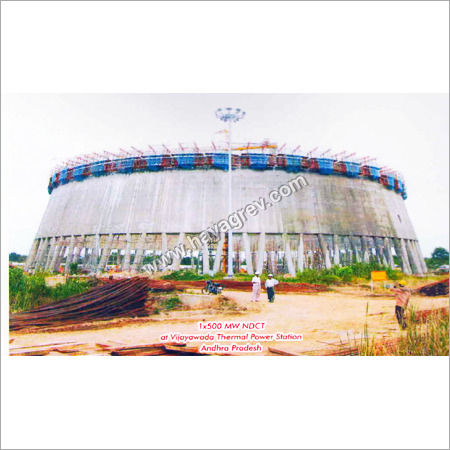
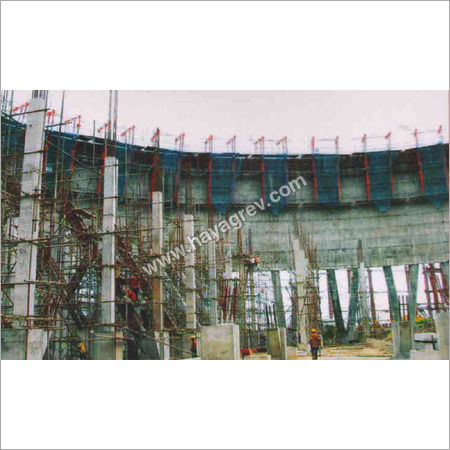
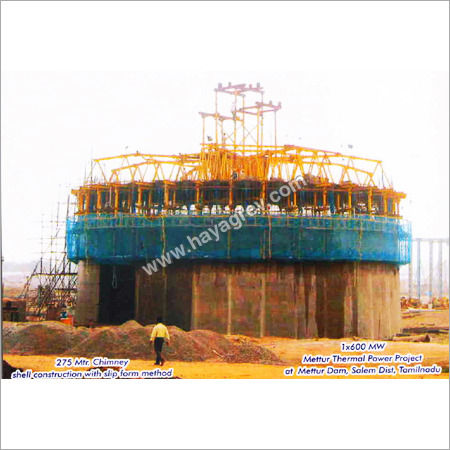
Our company Hayagrev Civil Engineering PVT LTD, based at Andhra Pradesh, India, has gained reputable position in this domain for Krishnapatnam Thermal Power Project. This power project is undertaken by a team of adroit professionals who having years of experience in this field. In our undertaken project, our experts construct thermal power stations in Krishnapatnam. Our offered power project is acknowledged in the market for its high hassle-free work execution, reliability and cost effectiveness. Further, the offered Krishnapatnam Thermal Power Project is completed within the specified time frame stated by our clients.Features of Krishnapatnam Thermal Power Project:
1) On-time project completion.2) Only quality-tested raw materials are used.
3) We are assisted by team of skilled professionals.
Supercritical Technology for Enhanced Efficiency
Krishnapatnam Thermal Power Project utilizes supercritical boiler technology, supplied by BHEL, enabling higher thermal efficiency and reducing fuel consumption per unit of electricity generated. This advanced process allows for improved plant performance and lower greenhouse gas emissions compared to conventional subcritical plants.
Commitment to Environmental Responsibility
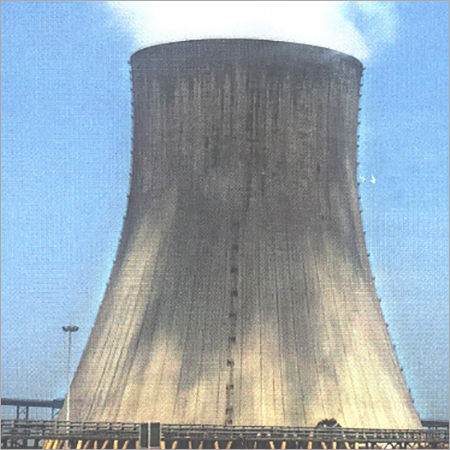
The power station is equipped with a Flue Gas Desulfurization (FGD) system to control stack emissions, ensuring compliance with stringent environmental regulations. The use of sea water from the Bay of Bengal for cooling, coupled with a 275-metre-high chimney, further enhances emission dispersion and minimizes ecological impact in the local region.
FAQ's of Krishnapatnam Thermal Power Project:
Q: How does the Krishnapatnam Thermal Power Project manage emissions from coal combustion?
A: The project employs a Flue Gas Desulfurization (FGD) system to effectively control and reduce sulfur dioxide and other emissions from burned coal. Additionally, the 275-metre chimney ensures efficient dispersion of stack gases.Q: What is the main type of boiler used at this power station, and why is it significant?
A: The plant uses supercritical boilers supplied by BHEL. These boilers operate at higher temperatures and pressures, resulting in greater thermal efficiency and lower fuel consumption compared to traditional subcritical boilers.Q: When did the Krishnapatnam Thermal Power Project become operational?
A: The plant was commissioned and became fully operational in 2016, providing a reliable power supply to Andhra Pradesh and surrounding areas.Q: Where does the Krishnapatnam Power Project obtain its cooling water, and what is the cooling method?
A: Sea water from the Bay of Bengal is used for the plant's cooling needs. The station uses a sea water cooling system to manage heat generated during operation efficiently.Q: What is the total electricity generation capacity of the Krishnapatnam Thermal Power Project?
A: The facility has an installed capacity of 2 x 800 MW, totaling 1600 MW, making it one of the larger coal-fired plants in India.Q: How does the use of imported coal benefit the project?
A: Imported coal generally has a consistent quality and calorific value, supporting stable plant performance and output, while ensuring a reliable fuel supply for continuous electricity generation.Q: Who owns and operates the Krishnapatnam Thermal Power Project?
A: The plant is owned and operated by Andhra Pradesh Power Generation Corporation (APGENCO), a leading utility in India.Tell us about your requirement

Price:
Quantity
Select Unit
- 50
- 100
- 200
- 250
- 500
- 1000+
Additional detail
Mobile number
Email

Other Products in 'Completed Project' category


Offering Quality Services For Road Construction, Bridge And Power Plant Construction With Outstanding Features For A Longer Span Of Time....
HAYAGREV CIVIL ENGINEERING PVT. LTD.
GST : 37AACCH0266J1ZL
GST : 37AACCH0266J1ZL

20/584-1, Namaste Board Lane, Cuddapah - 516001, Andhra Pradesh, India
Phone :08071931642

 Send Inquiry



|
 |
HAYAGREV CIVIL ENGINEERING PVT. LTD.
All Rights Reserved.(Terms of Use) Developed and Managed by Infocom Network Private Limited. |
